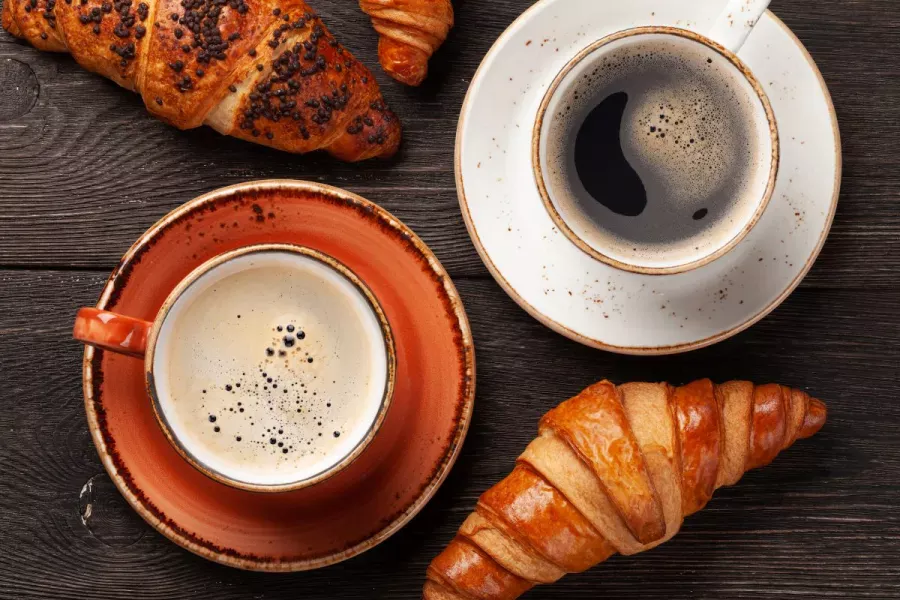
There's something magical about brewing your first perfect cup of coffee at home. The aroma fills your kitchen, the anticipation builds, and that first sip transports you to your favorite café, except you're still in your pajamas. Learning to make coffee at home isn't just about saving money (though your wallet will thank you). It's about discovering the rich, complex world of coffee brewing and finding the method that speaks to your taste buds and lifestyle.
The three most popular approaches, pour-over, automatic drip, and cold brew, each offer distinct advantages and unique flavor profiles.
The French press brings out coffee's natural oils for a rich, full-bodied experience. The AeroPress combines the best of espresso and filter coffee in a compact, travel-friendly design. Home espresso machines transform your kitchen into a personal café, delivering the intense, concentrated flavors that coffee lovers crave. Each method offers unique advantages and distinct flavor characteristics that can revolutionize your daily coffee routine.
Home coffee brewing has evolved far beyond the simple drip machine sitting on your kitchen counter. While pour-over, drip, and cold brew methods have captured much of the spotlight, coffee enthusiasts are discovering that some of the most rewarding brewing experiences come from exploring alternative techniques. These methods don't just make coffee, they create ritual, build community, and unlock flavor profiles that standard brewing simply can't achieve.
Let´s walk you through everything you need to know about each brewing method, from essential equipment to step-by-step techniques. You'll discover which method aligns with your schedule, budget, and flavor preferences, plus insider tips to elevate your home brewing game.
Tips for brewing success
Regardless of your chosen method, certain fundamentals apply to all quality coffee brewing. Invest in freshly roasted beans and use them within 2-4 weeks of the roast date for optimal flavor. Store beans in an airtight container away from light, heat, and moisture.
Water quality significantly impacts your coffee's taste. Use filtered water when possible, and ensure your water temperature stays between 195-205°F for hot brewing methods. Too hot, and you'll over-extract bitter compounds; too cool, and you'll under-extract, resulting in weak, sour coffee.
Cleanliness matters enormously in coffee brewing. Rinse equipment after each use and deep clean weekly with appropriate cleaning solutions. Coffee oils turn rancid quickly, creating off-flavors that even the best beans can't overcome.
Make coffee at home
Consider starting with one method that most appeals to your current situation and preferences. Master the basics, develop your palate, and build confidence before exploring additional techniques. Many coffee enthusiasts eventually incorporate multiple brewing methods into their routines, choosing different approaches based on mood, time availability, and desired flavor profiles.
Don't feel limited to just one method, many coffee enthusiasts use different techniques for different occasions. Weekend mornings might call for the meditative ritual of pour-over, while busy weekdays benefit from automatic drip coffee's convenience.
The journey to perfect home-brewed coffee takes time, experimentation, and patience. Start with one method that appeals to you, master the basics, then explore others as your interest and skills develop. Remember, the best coffee is the one you enjoy drinking, prepared in a way that fits your lifestyle and brings you daily pleasure.