Fat had and still has bad press. However, fat is essential to our health.
Fats are organic compounds made up of carbon, hydrogen, and oxygen; they belong to a group of substances called lipids. Fats come in liquid or solid form, and all dietary fats are combinations of saturated and unsaturated fatty acids. Saturated fats are solid at room tempertature, have high proportion of saturated fatty acids, they are low on the unsaturated ones; and vice versa, unsaturated fat are liquid at room temperature, are low in saturated fatty acids, and are high in unsaturated fatty acids.
Fat is essential to health
You might think that in the developed world, with plenty of food going around, we do not need any extra reserves, a misconception. When we do any physical activity, the body burns calories from carbohydrate first, but we are limited beings and can hold only so much sugar for immediate energy. After the first 20 minutes or so of exercise, our sugary fuel is depleted, and the body begins to depend on the calories from fat.
- Body fat is a good source of energy and serves as the storage for the body's extra calories.
- Fats are the source of the “essential” fatty acids (EFA) not made by the body and obtained through diet.
- The fat-soluble vitamins A, D, E, and K are transported through the bloodstream and absorbed with the help of fat.
- The adipose tissue, made by fat filled cells, helps to insulate the body and keep its temperature stable.
- Healthy skin and hair are maintained by fat.
Good fats versus bad fats
We know for certain that some fats worsen cholesterol levels and increase the risk of disease; these have been labeled as ‘bad fats’ and these bad fats are solid or semi-solid at room temperature and you can count trans-fats and saturated fats in this group. Avoid trans-fats completely, while moderating your intake of saturated fats.
Saturated fats - are the ones found in such dairy products as whole milk, butter, cheese, and ice cream. Also found in red meat, chocolate, coconuts, coconut milk, coconut oil and palm oil.
Trans-fats - the ones to avoid, can be found in most margarines, in vegetable shortening and also partially hydrogenated vegetable oil. Tran fats are emplyed for deep-fried chips or fish, many fast foods and most commercial baked goods.
'Good fats' are liquid at room temperature and unsaturated, either mono-unsaturated or poly-unsaturated fats. They improve cholesterol levels and lower the risk of disease.
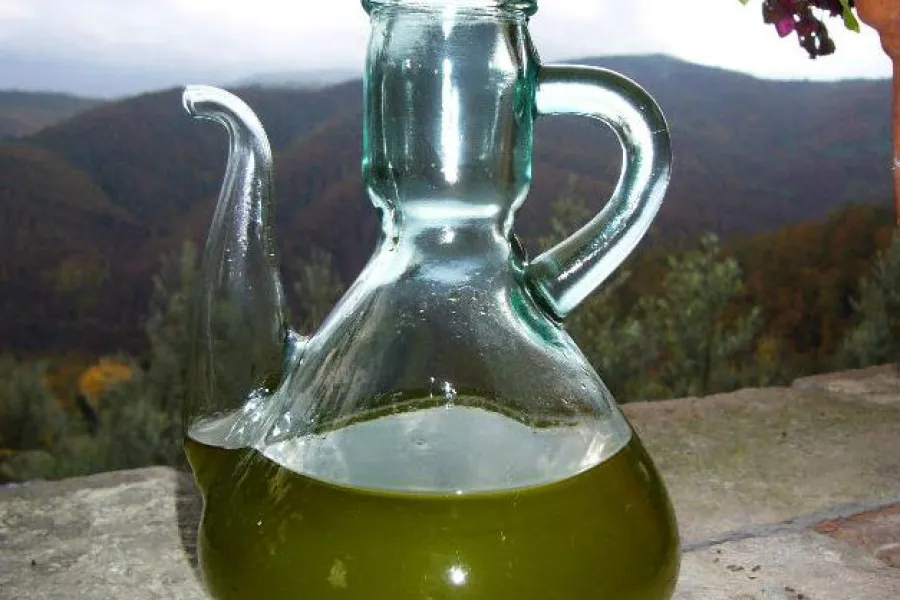
Mono-unsaturated fats - as they are in olives or olive oil, canola oil, peanut oil, and nuts in genral, like cashews, almonds, peanuts, and most other nuts. Avocados also contain mono-unsaturated fats.
Poly-unsaturated fats - considered the best, found in corn, soybean, safflower, and cottonseed oils, and, of course, fish.
Fat and disease
The amount or percentage of fat in your diet is not so important as the type of fat. Aim to substitute bad fats with the good ones.
Good fats lower cholesterol levels, helping to prevent heart disease. As for cancer, the evidence suggets that mono-unsaturated fats, mainly olive oil, may offer some protection. On the other hand, the so called bad fats seem to increase the riks of some types of cancer.
Fat and weight loss
Fat, protein and carbohydrates are the nutrients from which the body gets its daily calorie intake. Unhappily, fat provides more than twice calories per gram than carbohydrates or protein do. People trying to lose or to maintain a healthy weight do have to look at how much fat they add to their meals.
There is no evidence that a low fat diet is better than a low carb diet for weight loss and there is no need to keep calories from fat at a certain percentage of the total. Any diet wil help with weight loss, as long as calories in are less than calories out. Exercise always helps to increase the 'calories out' side of the equation, apart from other health advantages.
So mind the calories and mind the fats because their calories pile up very quickly, but do include some good fats in your weight loss diet. For instance, EFAs can help boost the metabolism and reduce cravings - they increase production of one of the hormones that controls appetite.