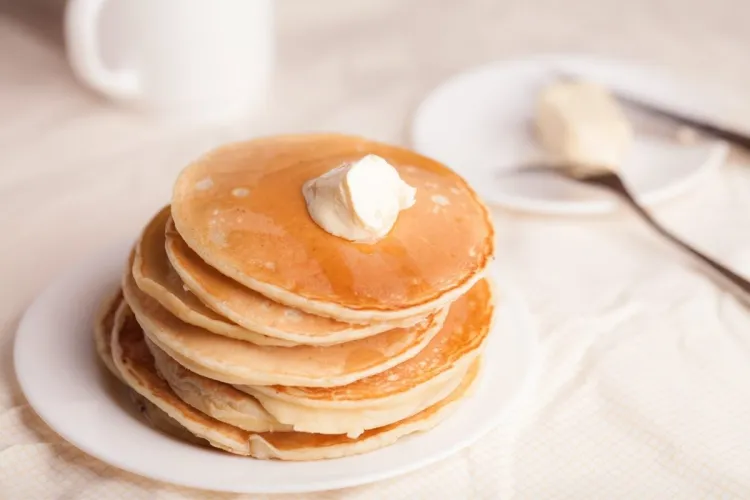
This day holds a significant place in the British cultural and culinary calendar, marking the eve of Ash Wednesday and the commencement of Lent, a 40-day period of fasting leading up to Easter. The significance of Pancake Day is rooted in the Christian tradition, where the faithful prepare for Lent by using up rich foods, such as eggs, milk, and sugar, to make pancakes. This practice is intended to clear the pantry of indulgent foods in readiness for the simplicity and penitence of Lent. Shrove Tuesday itself is derived from the word "shrive," meaning to confess sins and seek absolution, a practice that was common on this day in medieval England. As the final day before Lent, it was a time for households to "cleanse" themselves not only spiritually through confession but also physically by consuming foods that would be forbidden during Lent.
The tradition of making pancakes on this day comes from the need to consume these perishable items before the fasting season of Lent begins, during which the consumption of such rich foods is traditionally restricted. Pancakes, with their simple yet delicious ingredients, became the perfect dish for this purpose, leading to the widespread adoption of Pancake Day across the UK. This practice was not unique to England but was part of a broader Christian tradition observed in many European countries, each developing their own version of pancakes using local ingredients.
In British history, Pancake Day has held a significant place not only as a religious observance but also as a cultural event. It has been celebrated for centuries, with references to pancake customs dating back as far as the 15th century. These celebrations often extended beyond the home, with entire communities coming together to mark the occasion. One of the most enduring customs is the pancake race, which is believed to have originated in the town of Olney in Buckinghamshire in 1445. According to legend, a woman heard the shriving bell while she was still making pancakes and ran to the church in her apron, still clutching her frying pan. This event gave rise to the pancake race, a tradition that continues in Olney and has spread to other parts of the UK and beyond.
The religious significance of Pancake Day has evolved over time, with the day becoming more of a cultural celebration in modern Britain. However, its roots in the Christian tradition of Lent remain an important aspect of its historical context. The day serves as a reminder of the cycles of fasting and feasting that have shaped Christian liturgical practices for centuries.
Traditional British pancake recipes
The charm of traditional British pancakes lies in their simplicity and the versatility of their ingredients. Unlike the thicker, fluffier American pancakes, British pancakes are thin and resemble the French crêpes, making them a delightful canvas for both sweet and savory toppings. The basic ingredients—flour, eggs, milk, and a pinch of salt—are staples in most kitchens, allowing these pancakes to be whipped up on a whim.
Classic British pancake recipe
By starting with this basic recipe, you can explore a wide range of flavors and fillings to suit any taste. Whether you prefer the classic sweetness of sugar and lemon or venture into savory territories, British pancakes offer a delightful base for experimentation and enjoyment.
Ingredients
- 100g all-purpose flour (plain flour)
- 2 large eggs
- 300ml milk
- Pinch of salt
- Butter or oil for frying
Instructions
Prepare the Batter
Sift the flour and salt into a large mixing bowl. Make a well in the center and crack the eggs into it.
Begin whisking the eggs, incorporating the flour from the edges of the well. Gradually add the milk, whisking continuously, until the batter is smooth and the consistency of thin cream.
Rest the batter
Let the batter rest for about 30 minutes. This step is not mandatory, but it helps to produce a more tender pancake.
Cook the pancakes
Heat a non-stick frying pan over medium heat and add a little butter or oil.
Once hot, ladle some batter into the pan, tilting the pan to spread the batter thinly across the surface.
Cook for about 1 minute until the edges start to curl and the underside is golden brown. Cook the other side for another minute or until golden.
Repeat until all the batter is used.
Serve the pancakes immediately with your choice of toppings or fillings.
Notes
To flip the pancakes, loosen the edges with a spatula, then give the pan a quick shake to ensure the pancake is not stuck. Flip the pancake with a confident wrist action, or use a spatula if you're not comfortable flipping it in the air.
Toppings and variations
Sweet options
- Classic lemon and sugar: Sprinkle sugar and squeeze fresh lemon juice over the pancake.
- Chocolate spread and sliced bananas.
- Mixed berries and whipped cream.
- Maple syrup and butter.
Savory options
- Cheese and ham: Sprinkle grated cheese and add slices of ham before folding the pancake.
- Spinach and ricotta: A filling of sautéed spinach mixed with ricotta cheese.
- Smoked salmon and cream cheese, topped with a sprinkle of dill.
Tips for perfect pancakes
Consistency: The batter should be thin enough to pour easily but not so thin that it lacks substance.
Temperature: Keep the pan at a medium heat. If the pan is too hot, the pancakes will burn; if too cool, they won't develop a nice color.
Flipping: Confidence is key. A quick, smooth wrist action will flip the pancake without it folding or breaking.
Modern celebrations of Pancake Day in the UK
Pancake Day, or Shrove Tuesday, remains a popular event across the United Kingdom, celebrated with a blend of traditional customs and modern festivities. The day has evolved from its religious origins to become a nationwide celebration of community spirit, fun, and of course, pancakes.
Pancake races
One of the most iconic Pancake Day traditions is the pancake race. Participants, often holding a frying pan with a pancake in it, race down a course, flipping the pancake a certain number of times before reaching the finish line. The town of Olney in Buckinghamshire is famous for hosting what is believed to be the oldest pancake race in the world, a tradition said to date back to 1445. Many towns and villages across the UK host their own versions of pancake races, bringing together people of all ages in a spirited competition.
Charity events
Pancake Day has also become an opportunity for fundraising and charity events. Schools, businesses, and community groups often organize pancake breakfasts, bake sales, and flipping contests, with proceeds going to local charities. These events not only celebrate the day but also harness the communal spirit to support good causes.
Unique regional traditions and variations
While the basic pancake recipe remains largely the same across the UK, there are regional variations and traditions that add a unique flavor to the celebrations. In Scotland, for example, you might find pancakes made with Scottish oats, giving them a distinctive texture. Some regions have their own version of pancakes, such as the Welsh "crempog," which are thicker and often include buttermilk and vinegar in the batter.
Pancake Day in other places
The United States celebrates National Pancake Day, though it's not directly associated with the pre-Lenten traditions and instead falls on a different date each year. Originated by IHOP (International House of Pancakes), this day is marked by the restaurant chain offering free pancakes to customers. The event also serves as a fundraising initiative for children's hospitals and other charitable organizations. While it shares the pancake theme with the UK's Pancake Day, the American version is more of a commercial event and lacks the religious and historical significance of Shrove Tuesday.
Galician filloas are a traditional delicacy from the region of Galicia in Spain, particularly savored during the Carnival season, a time of festivity and indulgence before the solemnity of Lent. These thin, crepe-like pancakes are made from a simple batter of flour, water or milk, and sometimes enriched with eggs and pork lard, reflecting the Galician tradition of utilizing local ingredients. Unlike the sweet pancakes found in other cultures, filloas can be served both sweet, with sugar or honey, and savory, filled with meats or sautéed vegetables. The preparation and consumption of filloas during Carnival is a cherished ritual, embodying the spirit of community and celebration. Families and friends gather to cook and share filloas, making the most of the Carnival's exuberance, as they bid farewell to the excesses of the season and prepare for the austerity of Lent. This culinary tradition not only highlights the rich gastronomic heritage of Galicia but also brings together communities in a shared celebration of culture, history, and seasonal change.